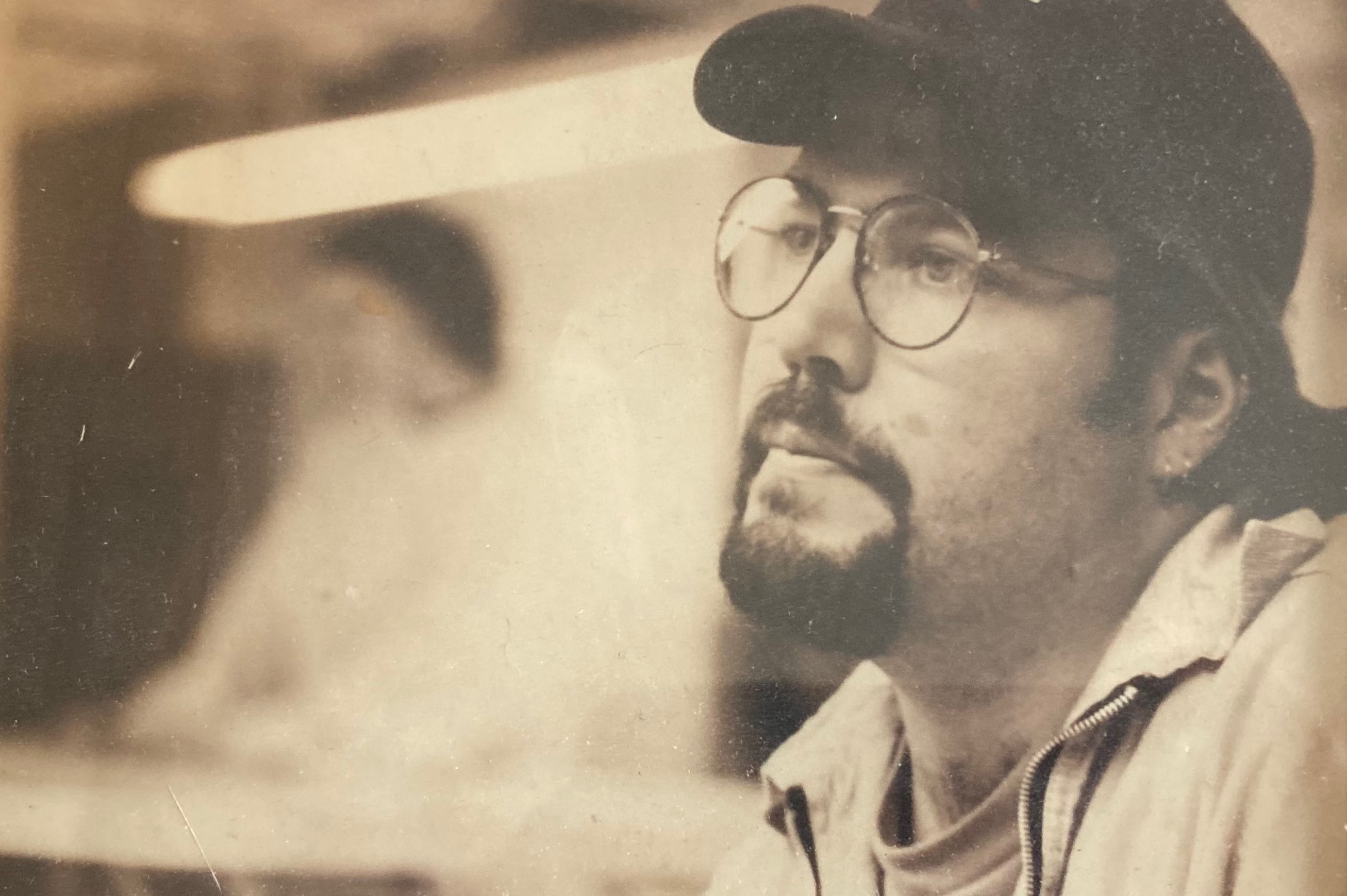
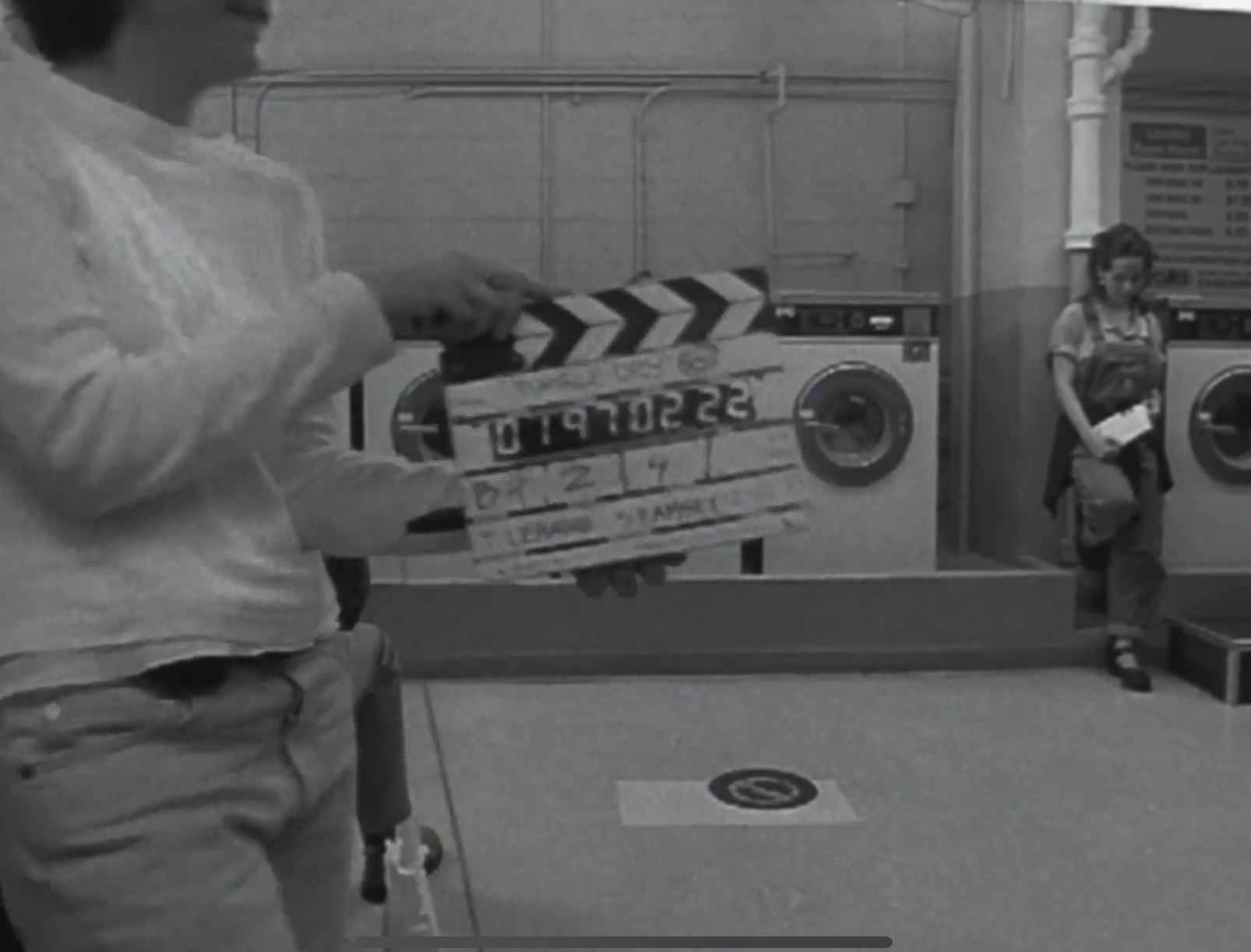
In 1997, a man spends the night in the laundry room of his co-op building on Grand Street, wrestling with his sobriety, while waiting for his clothes to dry.

Patrick Danagher, 26, a grip, spends a night in the laundry room of his Lower East Side Apartment building on Grand Street. His clothes are still in the dryer. The timer counts down. He is only been sober for a few months.
Around him: three older women who function as a Greek chorus. A friend who still drinks. A woman reading Raymond Carver. A kid from the street. An old man who once worked on the Empire State Building and can no longer speak.
Everyone is waiting for something. Patrick is trying to figure out what he’s waiting for.
Long Lenses, Locked Sticks
Stillness in the grammar.
Raymond Carver - restraint
the weight of the unspoken
Jay Ness - Minneapolis
rough assembly in progress
Shot in 1997. Finishing in 2026

I shot this film in February 1997. I was twenty-six, nine months sober, and living with a roommate who didn't know what to do with the version of me that had stopped drinking. I had a script, a cast, a laundry room in a co-op on Grand Street, and four 8-hour nights to shoot it.
The footage shuffled from print to tape to DV to a drive, to the cloud. Every few years, I would try to keep it going. But life with all that it entails, day jobs, death, kids, cancer, all pushed it farther down on the "must do" So it sat, for nearly thirty years. Not because I forgot it.
Because I wasn't ready to look at it — at him, at that room, at what I was trying to say when I didn't yet know how to say anything directly.
What changed: I can finally see Patrick as distinct from myself. I can serve the story instead of hiding inside it. The dryer has buzzed. It's time to take the clothes out.
— Ted Lehane, Brooklyn, 2026
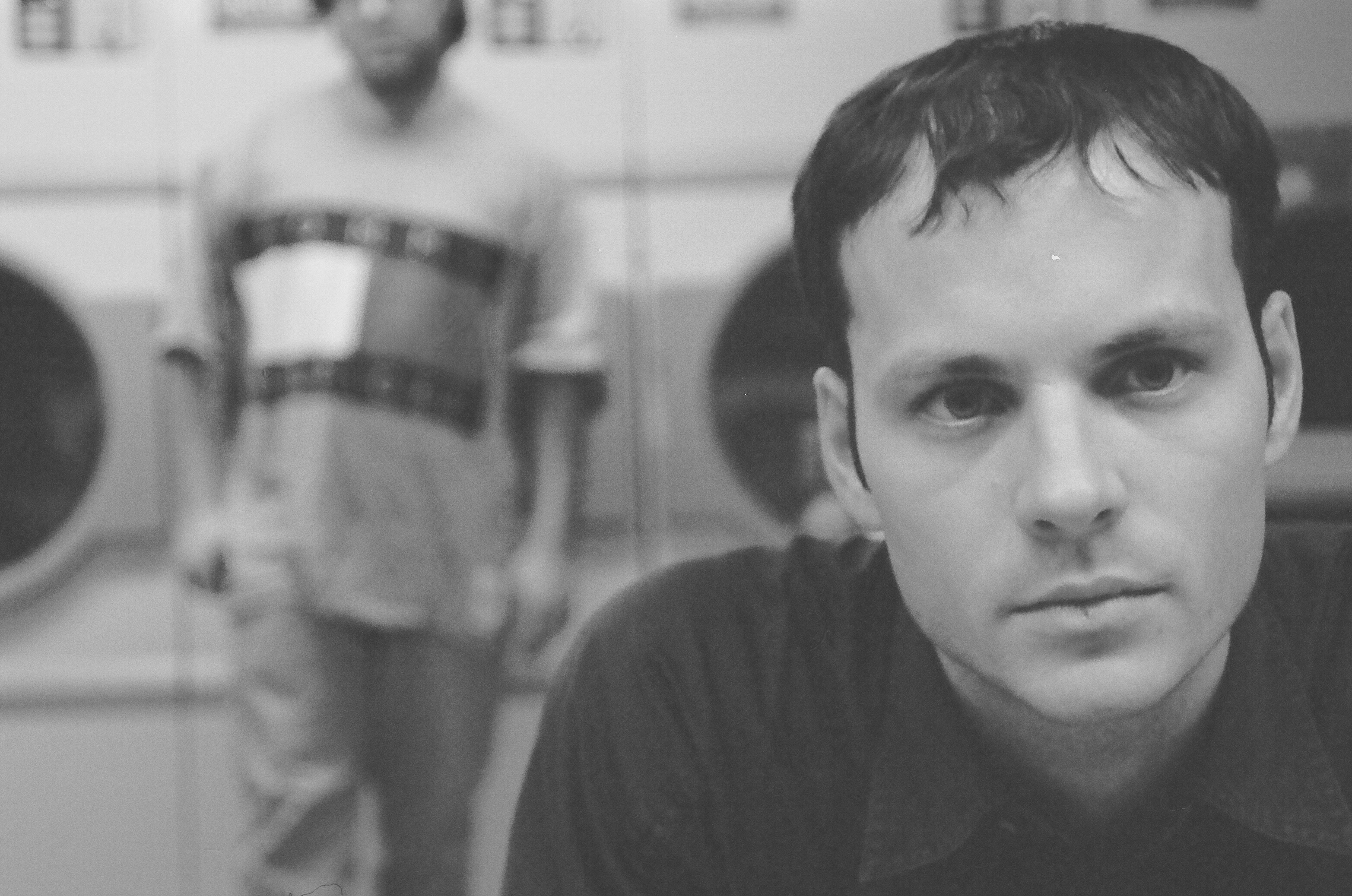
We shot on 16mm black-and-white. It worked for the cost and the grammar.The grain holds the stillness. The shallow depth of field keeps the world soft around Patrick until he can no longer afford to hide in the blur. The camera stays on his face while the conversation happens around him; the meaning lives in the gap between sound and image.This is a film about stillness. Long takes. Invisible cuts. A single dolly shot that earns every inch of track. We didn't move the camera unless the story demanded it — and when it finally moves, you feel it.Stillness is not a problem to be solved. It's the point. A film about waiting has to be willing to wait.
Tumble Dry is a 26-minute black and white short shot in a part of the Lower East Side that isn't the same. The INTERNATIONAL LADIES GARMENT WORKERS UNION Co-ops were once the tallest buildings around for dozens of blocks north, south and west.
The Lower East Side in that footage no longer exists.What you see on screen is a neighborhood in its last years before the money arrived — the chipped paint under the new paint, the maintenance keeps going up, a room full of people who knew each other's names and shared a laundry room and had nowhere better to be on a Tuesday night.
We didn't set out to make a historical document. But that's what it became. A co-op laundromat on the corner of Grand St. & Lewis, 1997. The building is still there. The neighborhood is not. New York in the late 90s was a different city. We need to remember what we were before we all got hurt, got scared, and got priced out of the neighborhood.
Tax-deductible contributions
through Fractured Atlas
fiscal sponsorship.
Currently applying to
the Roy W. dean grant
shore scripts finishing fund
the film fund
targeting
Tribeca
SXSW
Clermont-Ferrand
Palm Springs Shortfest
upon completion.